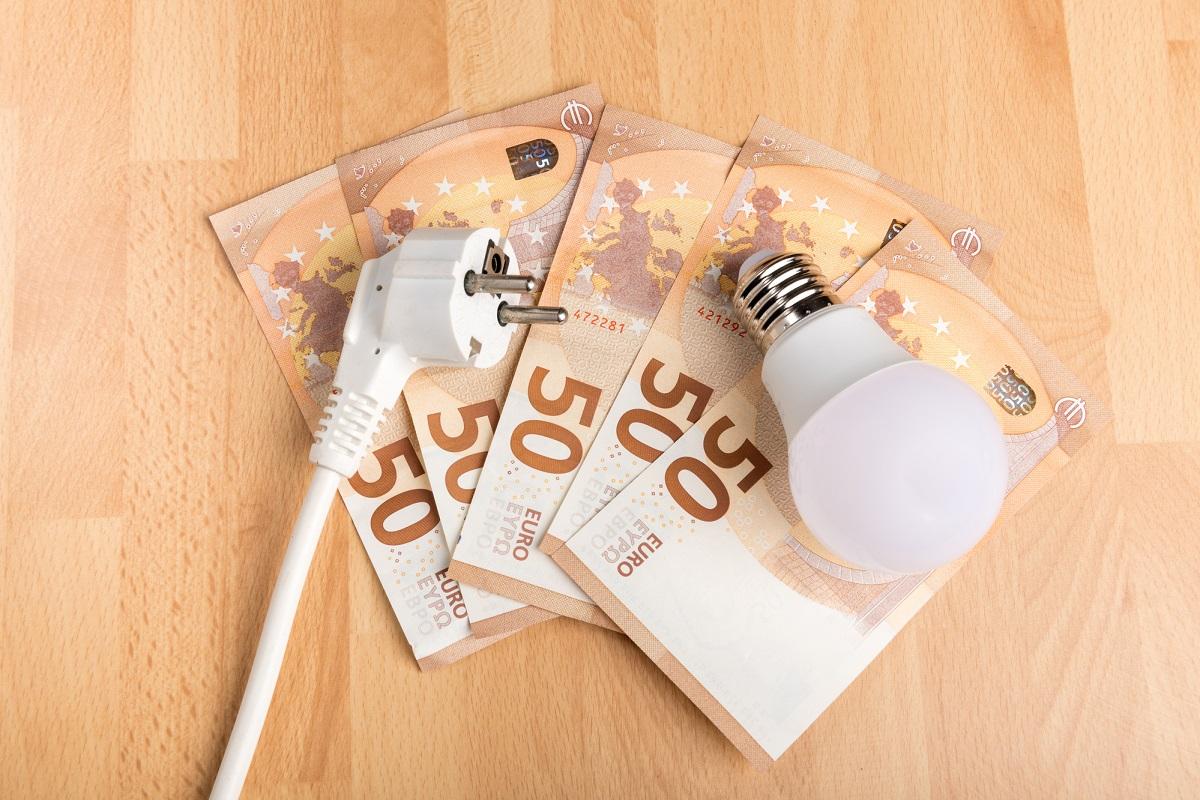
The headlines are screaming about a "relief rally." European stocks jumped 2% because oil dipped, and the lemmings in the trading pits are popping champagne. They think cheaper crude is a magic pill for a continent gasping for industrial growth. They are wrong.
If you believe a $10 drop in Brent crude is the catalyst for a sustainable bull run in the DAX or the CAC 40, you are reading the wrong charts. You’re falling for the "Input Cost Fallacy." This is the naive belief that lower energy costs automatically translate to higher margins and consumer spending without considering why those prices are falling in the first place.
Oil isn't sliding because of a sudden surplus of benevolence from OPEC+. It’s sliding because the global engine is seizing. When the price of the world’s primary industrial lubricant drops, it’s a symptom of a disease, not the cure.
The Mirage of the Consumer Windfall
The standard narrative is simple: lower gas prices mean more money in the pockets of European consumers. This is a fairy tale. In Europe, energy prices are so heavily taxed and regulated that the "pass-through" to the average household is glacial. By the time the consumer feels a three-euro difference at the pump, the broader economic slowdown that caused the oil dip has already threatened their job security.
I’ve watched retail analysts pump stocks like LVMH or Inditex every time oil ticks down, claiming "discretionary spending is back." It’s nonsense. In a high-inflation environment, a marginal decrease in energy costs is immediately swallowed by the rising cost of services and food. You aren't buying a luxury handbag because you saved twenty quid on heating this month.
Europe’s Industrial Decay Cannot Be Fixed by Cheap Crude
The 2% jump in the Stoxx 600 is a dead cat bounce masked as a structural recovery. Let’s look at the math. European manufacturing, particularly in Germany, isn't struggling just because oil was expensive. It’s struggling because the entire energy architecture of the continent was predicated on cheap Russian gas that is never coming back.
Replacing pipeline gas with seaborne LNG is a permanent upward shift in the cost floor. A temporary slide in oil prices does nothing to fix the $160 billion-plus energy investment gap Europe faces. When traders buy the "oil relief" story, they are ignoring the fact that the Eurozone's industrial production has been on a downward trend for years.
$$\text{Industrial Competitiveness} \approx \frac{\text{Energy Efficiency} \times \text{Labor Productivity}}{\text{Real Energy Cost}}$$
If the denominator (Real Energy Cost) stays structurally higher than US or Asian competitors, a minor fluctuation in Brent is irrelevant. The rally is a psychological reaction, not a fundamental one.
The Deflationary Death Spiral
Here is the perspective the "consensus" misses: falling oil prices in a period of tightening central bank policy is a harbinger of deflationary pressure that the ECB is ill-equipped to handle.
If oil continues to slide, it drags down headline inflation. On paper, this looks good. In reality, it gives the ECB a false sense of security. They may pause or pivot, but if they do so while the underlying economy is shrinking, they are simply chasing the tail of a recession.
We saw this in 2008 and again in 2014. The initial drop in oil was cheered as a "tax cut for the economy." Six months later, the realization set in: the drop was signaling a catastrophic collapse in demand.
The Banking Sector’s Hidden Exposure
The rally today was led by banks. Why? Because the market assumes a "soft landing" is now more likely. This is a dangerous assumption.
European banks are heavily leveraged to the "Old Economy"—manufacturing, shipping, and heavy industry. These sectors are the first to feel the chill of a global demand slowdown. If oil is falling because global trade is hitting a wall, the credit quality of these industrial loans will deteriorate.
I’ve sat in rooms where risk officers scrambled to re-price portfolios because they realized their "energy cost" models didn't account for a total lack of purchase orders. A 2% gain in share price today doesn't cover a 20% spike in non-performing loans tomorrow.
Stop Asking if Oil is Cheap
The question isn't "Is oil cheap enough to help Europe?" The question is "Is the world stoping?"
If you are looking at the price of Brent, you are looking at a lagging indicator of yesterday's demand. Look at the shipping rates. Look at the inventories of intermediate goods. Look at the bankruptcy filings in the German Mittelstand.
Everything suggests that this "oil-buoyed" sentiment is a trap for retail investors. The institutional "smart money" is using this 2% pump to exit positions, not to build them. They are selling the rally to the people who still believe in the 1990s playbook where lower oil always equals higher growth.
The world has changed. In a de-globalizing, energy-insecure landscape, a drop in oil prices is a red flare in the night sky. It’s not an invitation to buy; it’s a warning to get out before the demand vacuum sucks the remaining value out of the Eurozone.
Sell the "relief." Buy the reality that Europe's energy crisis isn't over—it's just entering a quieter, more lethal phase.