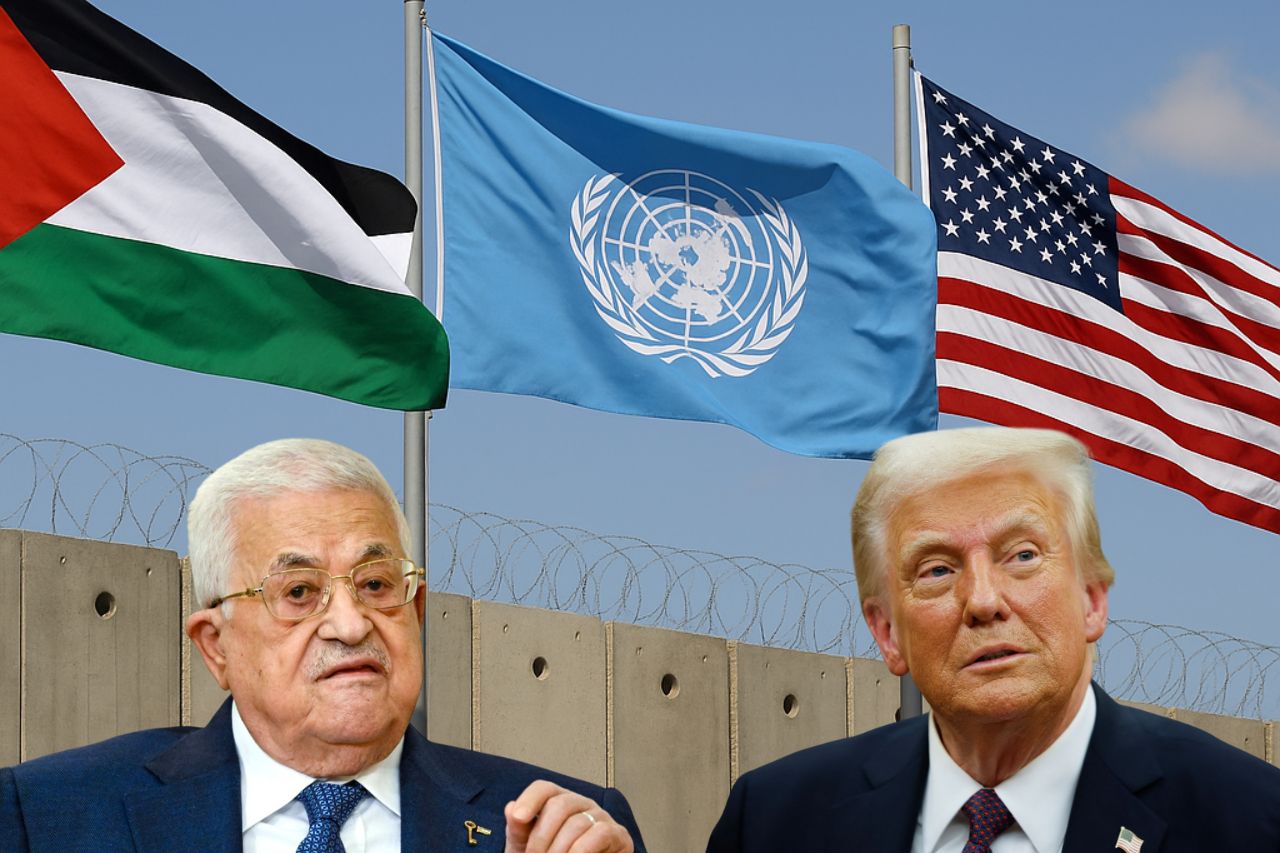
The diplomatic floor is shifting. For decades, the bond between Washington and Jerusalem was treated as a fundamental law of geopolitics, as immutable as gravity. But the old guard is retiring, and the strategic math that once made total support for Israel a default setting for American presidents is being recalculated in real-time. This isn't just about a personality clash between specific leaders or a temporary rift over a single war. It is a fundamental realignment. The United States is moving toward a foreign policy defined by "strategic autonomy," a cold-blooded approach where every ally—including Israel—is judged by its immediate utility to American national interests rather than historical sentiment.
Washington is exhausted. After twenty years of entanglement in Middle Eastern conflicts that yielded few clear victories, the American electorate and the policy establishment are looking for the exit. The recent pivot away from direct confrontation with Iran was the first major signal. By choosing de-escalation over regime change in Tehran, the U.S. sent a message that it will no longer fight proxy wars to maintain a regional balance of power that favors one side exclusively. Israel, long the primary beneficiary of that balance, now finds itself facing an America that is increasingly willing to say "no."
The Myth of Permanent Alignment
The assumption that American and Israeli interests are identical has always been a convenient fiction. During the Cold War, Israel was a vital democratic outpost against Soviet-backed Arab nationalism. In the early years of the War on Terror, it was an intelligence goldmine. But the world has changed. Today, the primary threats to American hegemony come from the Pacific and the grain fields of Eastern Europe. In this new theater, a high-maintenance relationship with a Middle Eastern power that frequently ignores Washington’s requests for restraint is becoming an expensive liability.
Strategic divergence is now the norm. While Israel views a nuclear-capable Iran as an existential threat that justifies preemptive war, the U.S. views it as a management problem to be contained through diplomacy and economic pressure. Washington wants a quiet Middle East so it can focus on China. Israel, driven by its own security imperatives, frequently takes actions that risk regional escalation, forcing the U.S. to choose between abandonment and unwanted intervention. The friction is no longer a bug in the system; it is the system.
The Generation Gap and the Death of Sentiment
Policy is often a reflection of the people who make it. For the Baby Boomer generation of politicians, support for Israel was rooted in the shadow of the Holocaust and the David-versus-Goliath imagery of the 1967 war. They viewed Israel as a vulnerable underdog. That narrative has no resonance with the younger cohorts in the State Department, the Pentagon, or the voter base.
Millennials and Gen Z do not see a vulnerable underdog. They see a nuclear-armed regional hegemon and a high-tech military power. To them, the "special relationship" looks like a historical quirk that grants billions in military aid to a wealthy country that often contradicts American policy goals on the international stage. This demographic shift is permanent. As these younger voters move into positions of power, the political cost of criticizing Israel or conditioning aid is dropping toward zero.
The Economic Reality of Self-Reliance
We are seeing the rise of a "Buy American" foreign policy. For years, U.S. military aid to Israel was a circular economy, with the majority of the funds required to be spent on American defense contractors. However, Israel’s own defense industry has grown into a formidable global competitor. Israeli firms now bid against American companies for contracts in Europe and Asia.
This creates a tension that didn't exist thirty years ago. Why should the American taxpayer subsidize a defense industry that is actively competing with Boeing, Lockheed Martin, and Raytheon? The economic logic that underpinned the aid packages is fraying. If Israel is a peer-level military power and an economic leader in cybersecurity and defense tech, the argument for "charity" becomes impossible to sustain.
The Iran Precedent
The way Washington handled the Iran nuclear file over the last decade provides the clearest roadmap for what happens next. Despite intense lobbying from the Israeli government, the U.S. moved forward with various iterations of engagement and containment. The message was clear: American interests in avoiding another massive Middle Eastern war outweigh the specific security preferences of the Israeli cabinet.
This was a watershed moment. It proved that the "Israel lobby" in Washington has a ceiling. When the stakes are high enough—such as the risk of global oil price shocks or direct military involvement—American presidents will prioritize the domestic economy and global stability over the demands of Jerusalem. The "turn" against Israel isn't an act of hostility; it is an act of prioritization.
The Danger of Strategic Loneliness
Israel now faces a reality it hasn't truly experienced since the late 1960s: the prospect of going it alone. If the U.S. continues to reduce its footprint in the region, the security umbrella that has protected Israel for half a century will shrink. This is already driving Israel to seek new, transactional alliances with former rivals in the Gulf. The Abraham Accords were not just about peace; they were a hedge against American withdrawal.
But these regional alliances are brittle. They are built on shared fear of Iran, not shared values. If the U.S. reaches a long-term "cold peace" with Tehran, the incentive for the Gulf states to maintain a close military partnership with Israel could vanish overnight. Israel could find itself in a position where it has alienated its primary benefactor in the West without securing a permanent replacement in the East.
Redefining the Partnership
The relationship won't end, but it will be demoted. We are moving toward a "Normal Relationship." In a normal relationship, aid is scrutinized. In a normal relationship, diplomatic cover at the United Nations is not guaranteed. In a normal relationship, the U.S. will feel free to sanction Israeli individuals or entities if they interfere with American peace initiatives.
This transition will be painful. It will involve more public disagreements, more threats to withhold weapons shipments, and a general cooling of the rhetoric that once called the two nations "inseparable." For the U.S., this is a necessary step in offloading the burdens of an overstretched empire. For Israel, it is a harsh reminder that in the world of great power politics, there are no permanent friends, only permanent interests.
The era of the blank check is over. Washington is finally checking the balance of its global accounts, and the numbers don't add up the way they used to. The shift isn't coming; it's already here. The only question left is how long it will take for the political rhetoric to catch up to the reality on the ground.
Don't look for a single moment of betrayal. Look for the slow, steady withdrawal of the diplomatic and military scaffolding that has held this relationship together. When the structure finally comes down, it won't be because of a single blow, but because the foundation rotted away years ago.
The U.S. is not turning against Israel because of malice. It is turning away because it no longer sees the value in standing still. In the cold light of the 21st century, the special relationship has become a luxury that a declining superpower can no longer afford.