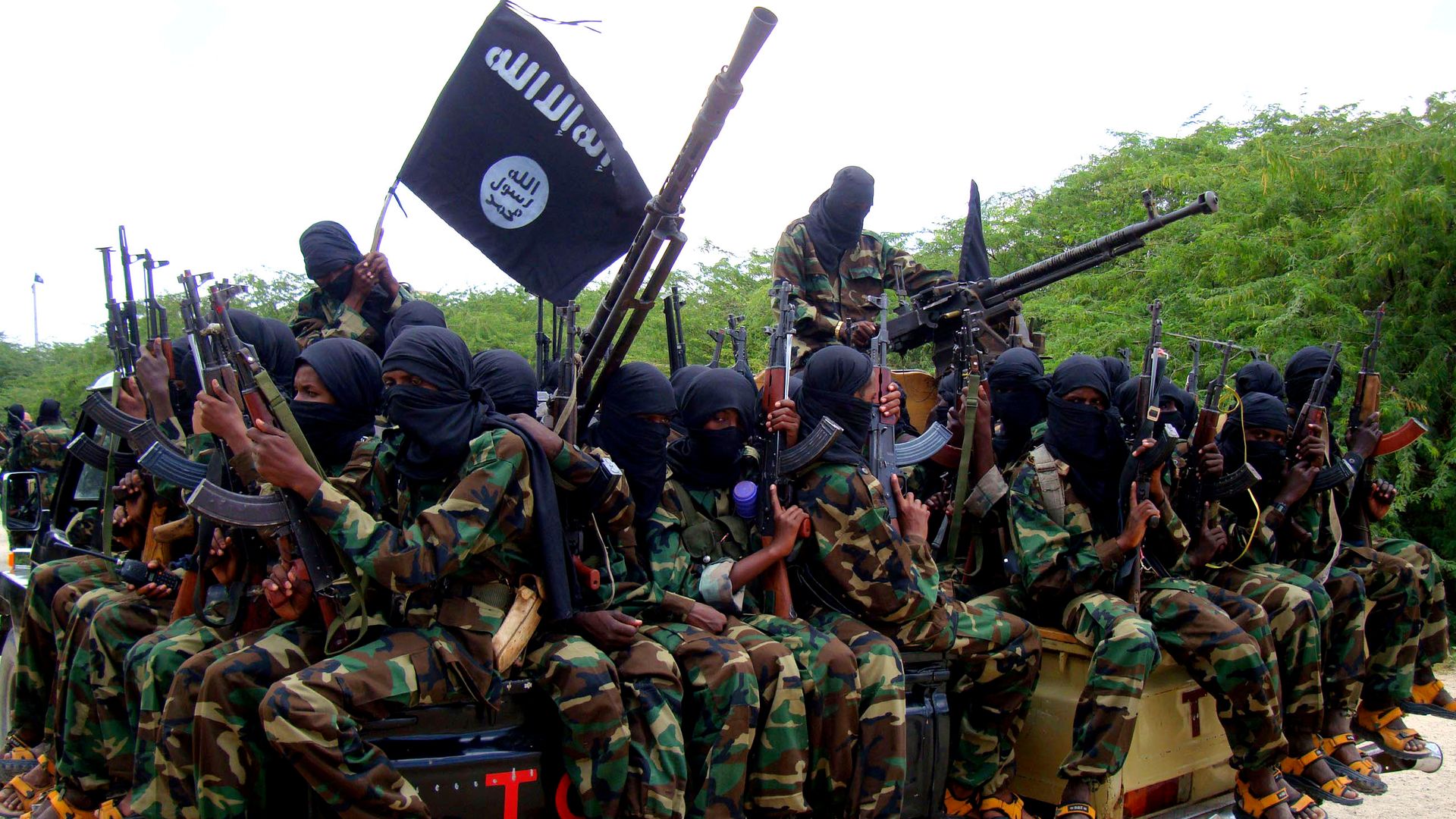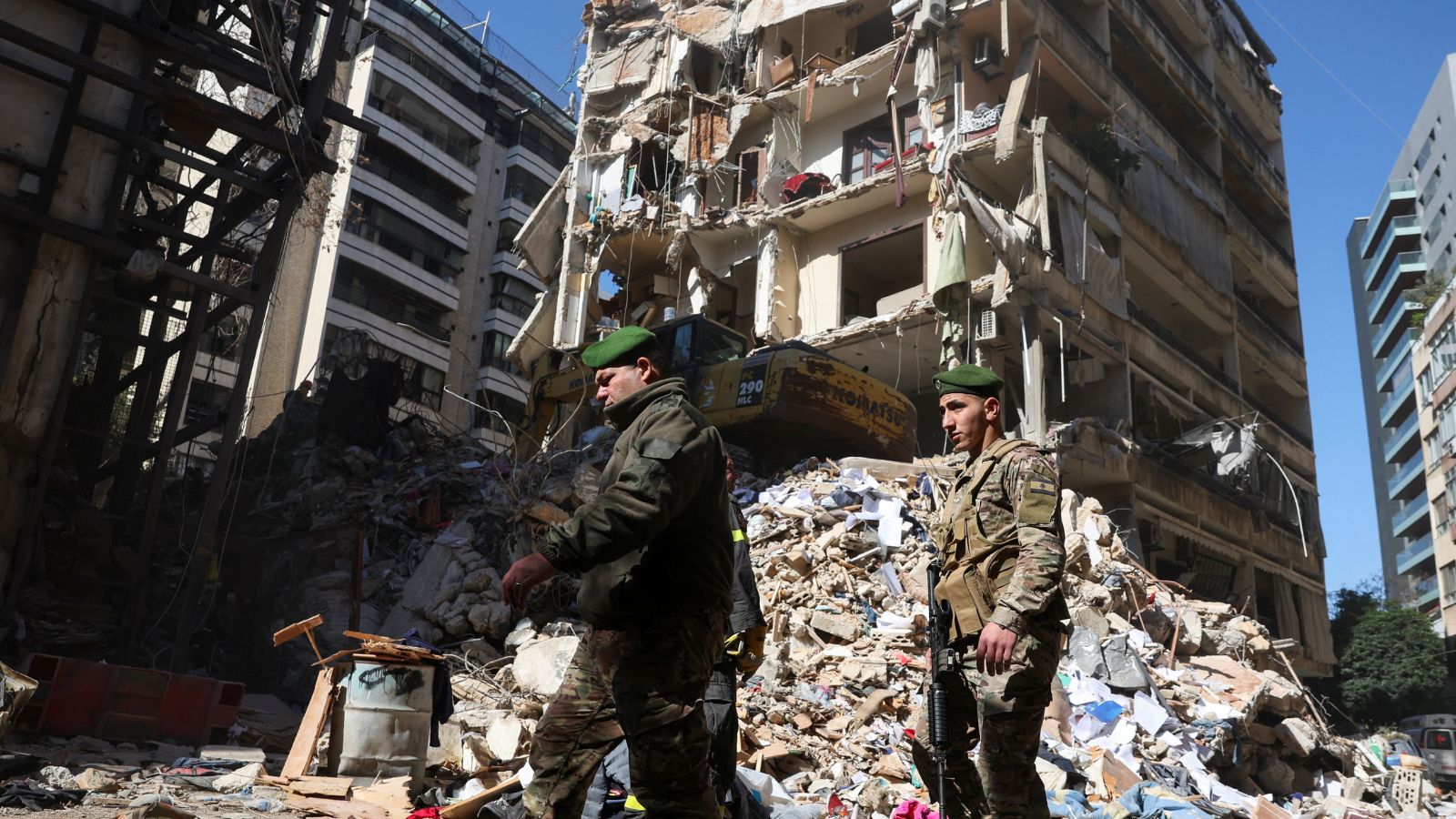
The headlines are bleeding today with the same tired script. "Ceasefire teeters." "Death tolls rise." "Region on the brink." If you are reading mainstream reports about the latest 250 casualties in Lebanon or the death of a high-ranking Hezbollah relative, you are being fed a narrative of accidental escalation. The media treats these events like a series of unfortunate slips on a frozen pond.
They are wrong. There is no ice. This is a calculated, high-heat burn.
The "lazy consensus" suggests that diplomacy is a fragile vase that both sides are desperately trying not to drop. In reality, the vase was shattered years ago. What we are witnessing isn't a failure of diplomacy; it is the success of a different kind of leverage. When an Israeli strike takes out a specific target in a dense urban environment, the "teetering" ceasefire isn't the victim. It’s the smokescreen.
The Regional Leverage Trap
Stop asking if the ceasefire will hold. It won't. It was never meant to.
In the corridors of power from Jerusalem to Tehran, a ceasefire is not an end state. It is a tactical pause used to rearm, reposition, and recalibrate optics for a domestic audience. The mainstream press frames these conflicts as binary—war or peace—but the reality is a permanent state of "grey zone" friction.
When 250 people die in Lebanon, the immediate Western reaction is to call for "restraint." This is a fundamental misunderstanding of the local mechanics. Restraint is viewed as a lack of capacity, not a moral choice. In this theater, if you don't strike back, you don't exist. By killing a key figure like the Hezbollah chief’s nephew, Israel isn't just "violating" a ceasefire; they are resetting the terms of engagement. They are testing the threshold of Iranian patience.
Why Death Tolls are Tactical Data Points
Western observers obsess over the numbers. 250 dead. It sounds like a catastrophe that should force an immediate halt. To the strategists on the ground, these numbers are data points in a grim math of attrition.
I have watched analysts for twenty years treat these casualty spikes as if they are the catalyst for peace talks. They aren't. They are the currency of the negotiation. Iran uses Hezbollah as a forward-deployed shield. Israel uses its air superiority to punch holes in that shield. Neither side expects the other to surrender because of a single bloody weekend.
The death of a leader's relative is a psychological operation, not just a military one. It’s designed to force a mistake. If Hezbollah overreacts, Israel gets the justification for a full-scale ground invasion. If Hezbollah underreacts, they lose face among their base. It is a win-win for the IDF’s strategic planners.
The US-Iran War is Already Happening
The "Iran-US war" is often discussed in the future tense. "Will it happen?" "Can we prevent it?"
Wake up. It’s been happening for a decade.
It happens in the Red Sea through Houthi drones. It happens in the cyberwarfare targeting electrical grids. It happens in the targeted assassinations in Beirut and Damascus. The idea of a "Big War" with tanks crossing borders is a 20th-century hangover. Modern war is a permanent, low-to-medium intensity pulse.
The U.S. doesn't want a "hot" war because it’s expensive and politically suicidal. Iran doesn't want a "hot" war because their regime wouldn't survive the direct kinetic impact. So, they fight in the shadows. They fight through proxies. They fight in Lebanon.
To suggest that a strike in Lebanon "teeters" the US-Iran ceasefire is to ignore that the US and Iran are currently engaged in a dozen different skirmishes across three continents. The ceasefire is a legal fiction that allows diplomats to keep their jobs while the generals continue the work.
The Failure of "Stability" as a Metric
The most dangerous word in the diplomatic lexicon is "stability."
Western leaders chase stability like a mirage. They think if they can just get through the next 48 hours without a missile launch, they’ve won. This obsession with the short-term status quo is exactly why the region remains a tinderbox.
Real progress in the Middle East has historically come from instability—from the breaking of old, corrupt paradigms. The current "stability" in the Lebanon-Israel border region was built on the 2006 status quo, which allowed Hezbollah to amass 150,000 rockets. Was that stable? No. It was a slow-motion disaster.
By insisting on "de-escalation" every time Israel targets a high-value asset, the international community is essentially asking to return to a state where the next war will be even more lethal. You are asking to keep the lid on a boiling pot while the flame is on high.
The Brutal Truth About Lebanese Sovereignty
The media mourns the "violation of Lebanese sovereignty." This is another polite fiction.
Lebanon is not a sovereign state in the traditional sense; it is a geographic battleground for larger powers. Hezbollah is a state within a state with a military far superior to the actual Lebanese Armed Forces. When Israel strikes, they aren't striking "Lebanon"—the entity that sits at the UN. They are striking an Iranian outpost that happens to be located in a Lebanese zip code.
If you want to understand why these strikes happen, stop looking at maps of nations and start looking at maps of supply chains. Where is the precision-guided munition factory? Where is the tunnel entrance? The civilians caught in the middle are the tragic byproduct of a war where the combatants have integrated themselves into the civilian fabric specifically to make the cost of an attack high.
Stop Asking the Wrong Questions
People ask: "How can we stop the fighting?"
That is the wrong question. The fighting stops when one side's cost of continuing exceeds their benefit. Right now, the benefit of the "grey zone" war is too high for all involved.
- For Israel: It allows them to degrade threats without a total mobilization of their economy.
- For Iran: It keeps the fight away from their borders.
- For Hezbollah: It maintains their "resistance" credentials.
The "People Also Ask" sections of your search engines are filled with queries like "Will the US send troops to Lebanon?" or "Is WWIII starting?"
The honest answer is: No.
No one is sending troops because they don't have to. The current arrangement—deadly as it is for those on the ground—is exactly how the great powers want it. It’s a controlled burn.
The Dangerous Logic of Proportionality
International law junkies love the word "proportionality." They argue that killing 250 people in response to rocket fire is disproportionate.
In military strategy, "proportionality" is a recipe for a forever war. If you only hit back exactly as hard as you were hit, you guarantee the cycle never ends. The goal of military force is to be disproportionate—to make the cost of attacking you so high that the enemy stops.
The strikes in Lebanon are an attempt to break the proportionality trap. Israel is signaling that the old rules of "one rocket for one interceptor" are over. They are moving toward a total-cost model. It is brutal. It is bloody. And from a cold, hard strategic perspective, it is the only way they see out of a war of attrition.
The End of the Ceasefire Era
We are entering a period where the word "ceasefire" will become entirely meaningless. We will see "functional wars" hidden behind "official peace."
The death of the Hezbollah chief’s nephew isn't a crack in the foundation. It is the foundation. This is the new architecture of regional conflict: a series of high-stakes assassinations and surgical strikes designed to avoid a total war while inflicting maximum pain.
If you're waiting for a peace treaty to be signed on a lawn in Washington, you're living in 1994. That world is gone. Today, peace is just the time it takes to reload the drone.
Stop mourning the ceasefire. It was a ghost long before these 250 people died. Start looking at the new reality: a region where the only constant is the calculated strike, and the only "stability" is the knowledge that the next siren is only a matter of hours away.
Accept the friction. The "teetering" isn't a sign of collapse; it’s the sound of the machine working exactly as designed.
The ceasefire isn't breaking. It’s being discarded as an obsolete tool in a world that has moved on to more violent forms of negotiation.