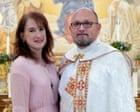
Justice shouldn't take a decade. When a father stands up to protect his child from a predator, he shouldn't end up as the one being punished by his own church. That's exactly what happened to a former Catholic deacon who’s currently trapped in a bureaucratic nightmare. He's waiting for an appeal outcome that is years past its due date. It’s a mess. It shows a systemic breakdown in how the Vatican handles its own internal legal system.
The core of this story isn't just about a legal delay. It’s about a father’s refusal to stay quiet after his son was molested by a priest. Instead of receiving support, the deacon found himself excommunicated. The institutional church essentially turned its back on a man who was doing what any parent would do. If you think the "healing and reconciliation" process the Church talks about is working, this case proves otherwise.
The cost of speaking out against the clergy
Most people assume that if you report a crime within the church, the system kicks into gear to protect the victim. In reality, it often kicks into gear to protect the institution. This deacon didn't just report the abuse. He pushed for accountability. He wanted the priest who hurt his son to face real consequences.
The retaliation was swift. The Church used canon law—the internal legal code of the Catholic Church—to silence him. Excommunication is the "nuclear option" in Catholicism. It cuts a person off from the sacraments and their community. For a deacon, someone who has dedicated his life to service, it's a spiritual death sentence.
He appealed this decision years ago. According to the Church's own rules, he should have had an answer by now. He hasn't. He’s left in a state of limbo, neither fully in nor fully out, while the men who ignored his son’s trauma continue their lives.
Why the Vatican appeal process is broken
Canon law is notoriously slow. It's a system built on secrecy and top-down authority. Unlike a civil court, there’s no public gallery. There are no cameras. There’s very little transparency for the person waiting on a verdict.
When an appeal goes to the Dicastery for the Doctrine of the Faith (DDF) in Rome, it often enters a black hole. This department handles the most serious crimes, including clerical sex abuse. They’re overworked, sure. But that's a poor excuse when a man's life and faith are hanging by a thread.
The delay in this deacon’s case isn't just a clerical error. It’s a choice. Every day the Vatican refuses to issue a ruling is another day they avoid admitting a mistake was made. It’s easier to let a file sit on a desk in Rome than it is to admit that a local bishop wrongly excommunicated a father for being "difficult."
The psychological toll of being excommunicated
Imagine being told you're unwelcome in the place you consider home because you tried to save your child. The psychological impact is devastating. It creates a sense of isolation that few other things can match.
- Social Ostracization: Friends and fellow parishioners often pull away.
- Spiritual Crisis: The victim begins to wonder if God is also ignoring them.
- Loss of Identity: For a deacon, his entire social and professional life is tied to the parish.
This isn't just about a piece of paper or a legal status. It’s about a man’s right to belong to his community. The Church's delay is a form of ongoing abuse. It keeps the wound open.
Legal loopholes and the shield of canon law
The Church operates like a sovereign state. This means they have their own courts and their own "police." When a crime like child molestation happens, it’s a violation of both civil law and canon law.
The problem arises when the two systems clash. Civil authorities might find a priest guilty, but the Church might still drag its feet on defrocking him. Or, as in this case, the Church might use its internal laws to punish the whistleblower. They call it "disobedience" or "sowing discord." In plain English, it’s a gag order enforced by the threat of eternal damnation.
The deacon’s son was the victim of a crime. The deacon was the victim of a cover-up. By excommunicating the father, the local diocese sent a clear message to everyone else: stay in line or get out.
What the Church refuses to acknowledge
The Vatican hasn't offered a valid reason for the years-long delay. They don't have to. Under the current structure, they aren't accountable to the laity. They aren't even really accountable to the deacons and priests who serve them.
The DDF is supposed to be the "supreme" authority on these matters. If they can’t follow their own timelines, the entire system is a sham. It’s a legal structure that exists to provide the appearance of justice without ever having to deliver it.
The path forward for victims and advocates
If you're following this case, you're likely feeling a mix of anger and exhaustion. It’s a familiar pattern. However, there are ways to push back against this kind of institutional stonewalling.
- Public Pressure: The Church hates bad press. Cases that get international attention are often moved to the top of the pile.
- Civil Litigation: While canon law is a dead end, civil courts are increasingly willing to look at how dioceses handle (or mishandle) these situations.
- Support Networks: Victims need to find communities outside of the official church structure. Groups like SNAP (Survivors Network of those Abused by Priests) provide the validation the Vatican refuses to give.
The deacon is still waiting. He hasn't given up, and he shouldn't. His fight is about more than his own status. It’s about whether the Catholic Church can actually be reformed or if it’s too far gone to save.
If you are a victim of clerical abuse or institutional retaliation, don't wait for a letter from Rome. Seek independent legal counsel and connect with advocacy groups that prioritize your well-being over the reputation of the institution. Document every interaction with church officials. Keep the pressure on. Silence is the only thing that allows these delays to continue.