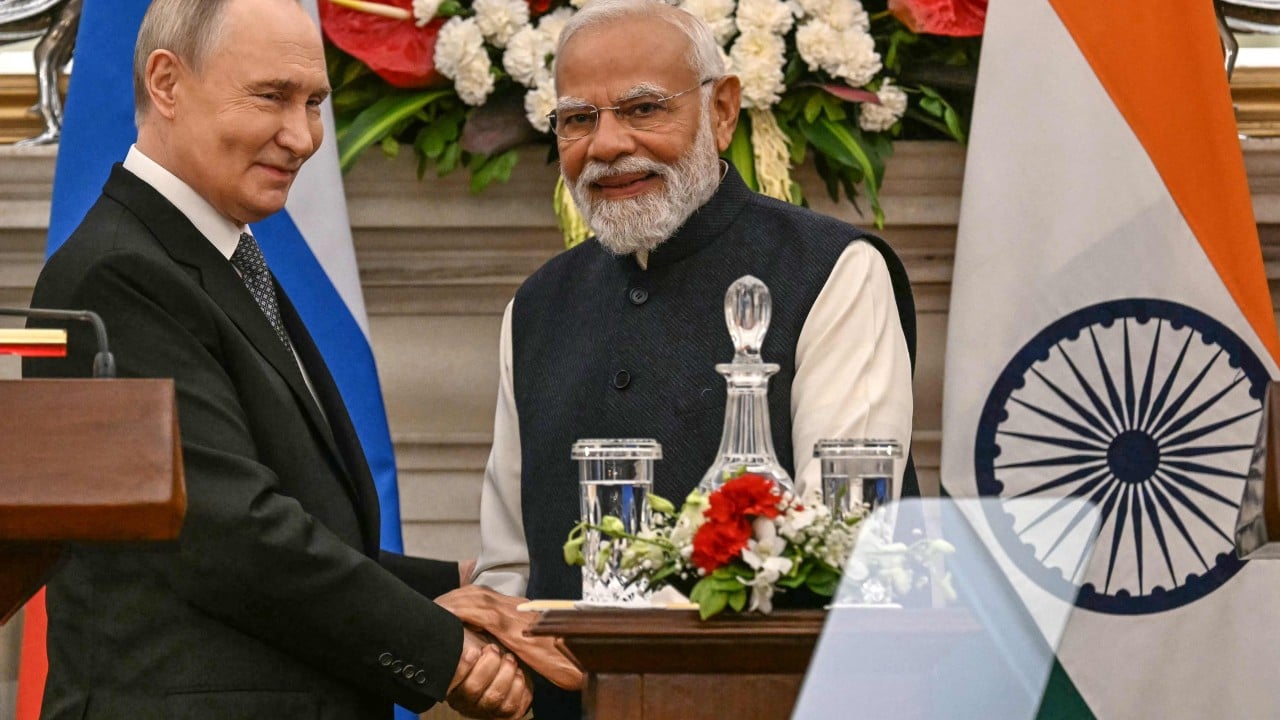
New Delhi is not just buying discounted barrels; it is insulating its entire economic future against a Middle East that looks increasingly like a powder keg. While Western capitals view India’s deepening reliance on Russian Urals and Siberian LNG through the lens of sanctions evasion, the view from Raisina Hill is far more pragmatic. Prime Minister Narendra Modi’s government has calculated that a "trusted friend" in Moscow is a safer bet for a nation requiring 5 million barrels of oil per day than the volatile shipping lanes of the Persian Gulf. As Iran and Israel trade threats, India is quietly rewiring the global energy map to ensure its domestic growth doesn't stall the moment a drone hits a refinery in the Strait of Hormuz.
The Mirage of Diversification
For decades, energy security experts preached the gospel of diversification. The idea was simple. If you buy from enough sources, no single geopolitical event can break your economy. India tried this. It courted West African producers, signed long-term deals with American shale firms, and maintained a delicate balance with the Gulf monarchies. You might also find this similar story insightful: The Middle Power Myth and Why Mark Carney Is Chasing Ghosts in Asia.
But the mathematics of a developing economy are cold. India’s energy demand is projected to grow faster than any other country over the next two decades. Diversification is expensive. Infrastructure for American LNG requires massive capital expenditure and long-haul shipping costs that eat into margins. Russian oil, conversely, arrived at Indian shores with a built-in discount that reached as high as $30 per barrel in the early months of the Ukraine conflict.
Even as those discounts narrowed to roughly $3 to $5 per barrel, the volume remained. Russia now accounts for nearly 40% of India’s crude imports. This isn't a temporary fling or a pursuit of a bargain. It is a structural shift. India has realized that the "Western-led order" cannot guarantee price stability in a world where energy is used as a weapon. By locking in Russian supply, India is creating a firewall against the inflationary shocks that usually follow Middle Eastern instability. As discussed in detailed coverage by CNBC, the results are significant.
Why the Iran Factor Changes Everything
The threat of a wider war involving Iran is the primary catalyst for New Delhi’s recent urgency. If the Strait of Hormuz closes, or even if insurance premiums for tankers in the region skyrocket, India's traditional supply chain collapses.
The Hormuz Bottleneck
The Strait of Hormuz is the world's most important oil transit point. More than 20 million barrels of oil pass through it daily. For India, it is a narrow throat that can be squeezed at any moment.
- Logistics: Russian oil, particularly from the Arctic and Pacific ports, avoids this choke point entirely.
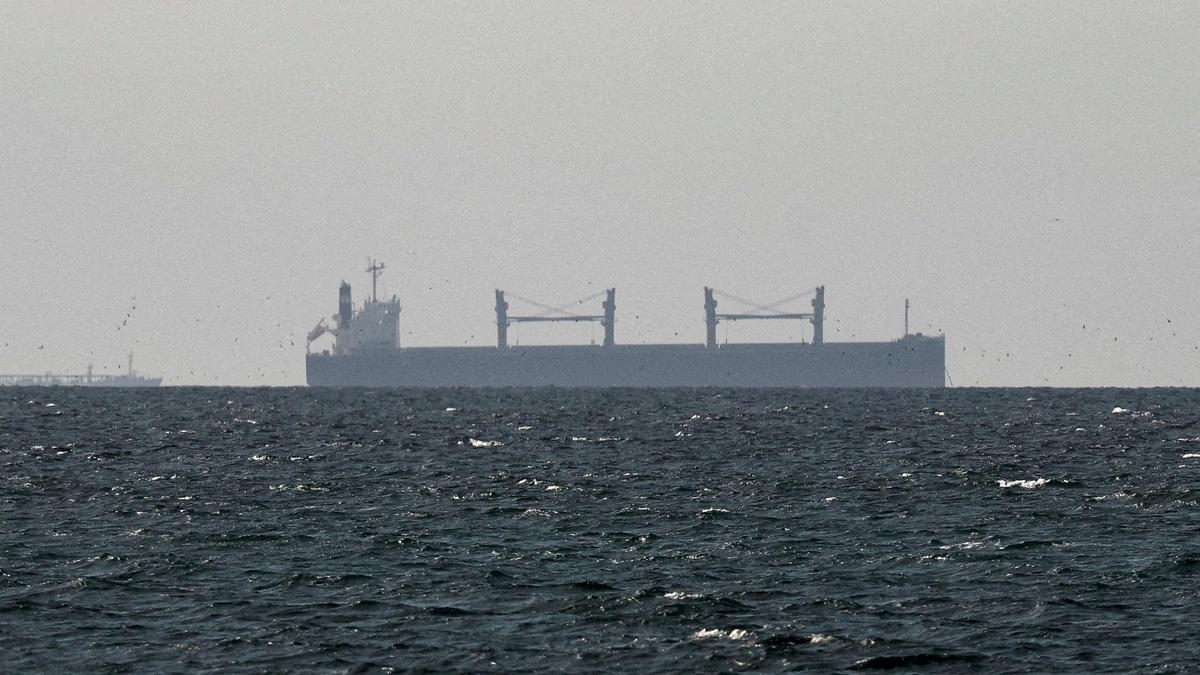
- Insurance: Western sanctions on Russian shipping led to the creation of a "shadow fleet." While these vessels operate outside standard maritime insurance circles, they provide a workaround that traditional Gulf shipping lacks when war breaks out.
- Payment Mechanisms: The move toward trading in Rupees, Dirhams, and Yuan—while clunky—has built a parallel financial system that isn't tied to the SWIFT network or US Treasury whims.
The LNG Pivot
Gas is the next frontier. India wants to increase the share of natural gas in its energy mix from 6% to 15% by 2030. Achieving this requires massive, steady inflows. Recent deals with Russia’s Novatek and Gazprom aren't just about volume; they are about long-term price certainty. When the European market scrambled for LNG to replace piped Russian gas, global prices hit records. India, unable to compete with European checkbooks, saw its own supply diverted. The lesson was learned. Reliable supply only comes from partners who have nowhere else to go. Russia, locked out of Europe, needs India just as much as India needs the gas.
The Rupee-Ruble Friction
It hasn't been a smooth ride. The most significant hurdle in this "energized" relationship is the massive trade imbalance. Russia is selling tens of billions of dollars worth of energy to India, but it has very little to buy in return. This has left Moscow sitting on a mountain of Indian Rupees that it cannot easily spend or convert.
This isn't just a banking problem. It’s a sovereign headache.
Russia has pressured India to pay in Chinese Yuan, a bitter pill for New Delhi given the ongoing border tensions in the Himalayas. However, the desperation for energy security has forced a series of creative workarounds. India has encouraged Russia to reinvest those Rupees into Indian infrastructure, defense manufacturing, and even the booming local stock market. This effectively turns India’s energy debt into Russian equity in India’s growth. It is a brilliant, if risky, maneuver that ties Moscow’s long-term financial health to the stability of the Indian economy.
The Myth of Western Displeasure
Washington’s public rhetoric regarding India’s Russian imports often sounds stern. Behind closed doors, the reality is different. The United States needs Indian refineries to keep processing Russian crude. If India stopped buying, those millions of barrels would disappear from the global market, sending oil prices toward $150 and triggering a global recession.
India knows this. External Affairs Minister S. Jaishankar has been blunt on the world stage, stating that his primary duty is to the Indian consumer, not to the geopolitical preferences of the G7. This "Strategic Autonomy" is the backbone of India’s current foreign policy. By acting as a massive sink for Russian oil, India actually helps stabilize global prices, even if it denies the West the satisfaction of a total Russian collapse.
Refineries are the New Battleground
The technical side of this shift is often overlooked. Not all refineries can process all types of oil. Indian refineries, particularly those owned by Reliance Industries and Nayara Energy (which is part-owned by Russia's Rosneft), are among the most sophisticated in the world. They are designed to handle "sour" Russian grades and turn them into high-quality diesel and jet fuel.
This infrastructure is a moat. Once a refinery tunes its catalysts and processes for a specific type of crude, switching back is not a matter of flipping a switch. It’s an expensive, weeks-long overhaul. By committing their technical capacity to Russian grades, Indian refiners are making a decade-long bet.
The "Laundering" Allegations
A significant portion of the Russian crude that enters India leaves as refined product headed for Europe and the US. Critics call it a "backdoor" for Russian oil. The industry calls it arbitrage. This cycle creates a bizarre reality where European drivers are effectively powering their cars with Russian oil that has been "cleansed" by an Indian refinery. It is a face-saving exercise for the West and a profit-generating machine for India.
The Infrastructure of the Future
Look at the Northern Sea Route (NSR). India is one of the few nations outside the Arctic circle expressing a deep interest in this melting passage. Why? Because it could cut shipping times from Russia's Arctic ports to India by nearly 40%.
Russia is offering India a stake in its massive Vostok Oil project. This isn't just a contract; it’s an invitation to own the source. If India takes these stakes, it moves from being a customer to a partner. This level of integration is what "energizes" a relationship. It moves past the transactional and into the existential.
The High Cost of the Russian Bet
There are ghosts in this machine. Relying on a nation that is currently a global pariah carries immense long-term risk. If the Russian state undergoes a radical change, or if the war in Ukraine ends in a way that necessitates a total Russian pivot back toward Europe, India could find itself stranded.
Furthermore, the "shadow fleet" of aging tankers used to transport this oil is a ticking environmental time bomb. Many of these ships lack proper P&I insurance. A major spill in the Indian Ocean would not just be an ecological disaster; it would be a diplomatic nightmare that New Delhi would have to navigate alone.
The logistics of getting LNG from the Russian Arctic are also fraught with difficulty. It requires specialized ice-breaking tankers, a technology that Russia currently struggles to produce at scale due to sanctions on Western components. India may find that the gas it was promised is stuck in the permafrost because there are no ships to carry it.
The Strategic Silence on Iran
While the world watches the missiles fly between Tehran and Tel Aviv, New Delhi remains remarkably quiet. This is by design. India has invested heavily in Iran’s Chabahar Port, intended to be a gateway to Central Asia and a way to bypass Pakistan. However, the chaos in Iran has made that project a slow-moving frustration.
The pivot to Russia is a silent admission that the "International North-South Transport Corridor" (INSTC) via Iran is no longer a reliable primary artery. Instead, India is looking toward the sea and toward the north. The "trusted friend" label for Russia isn't born out of shared values or a love for Moscow’s current administration. It is born out of the exhaustion of trying to manage the unpredictability of the Middle East.
India’s energy strategy is now a cold-blooded exercise in survival. The government has decided that the risk of Western sanctions is lower than the risk of a domestic energy shortage. In a world where every major power is retreating into protectionism and regional blocs, India is choosing to build a bridge to the only major energy exporter that is desperate enough to offer terms that make sense for a developing superpower.
This isn't about choosing sides in a European war. It is about making sure the lights stay on in Mumbai and the factories keep running in Chennai when the rest of the world is too busy fighting to pump oil. The era of cheap, easy energy is over. The era of the "uncomfortable but necessary" partnership has begun.
The shift is permanent. Even if the Ukraine war ended tomorrow, the infrastructure, the payment routes, and the refined product channels are now hardwired into the Indian economy. Moscow is no longer just a source of Kalashnikovs and Sukhois; it is the fuel tank for the world's most populous nation. New Delhi has made its choice, and it won't be looking back.