What actually happened at Lakemba Mosque
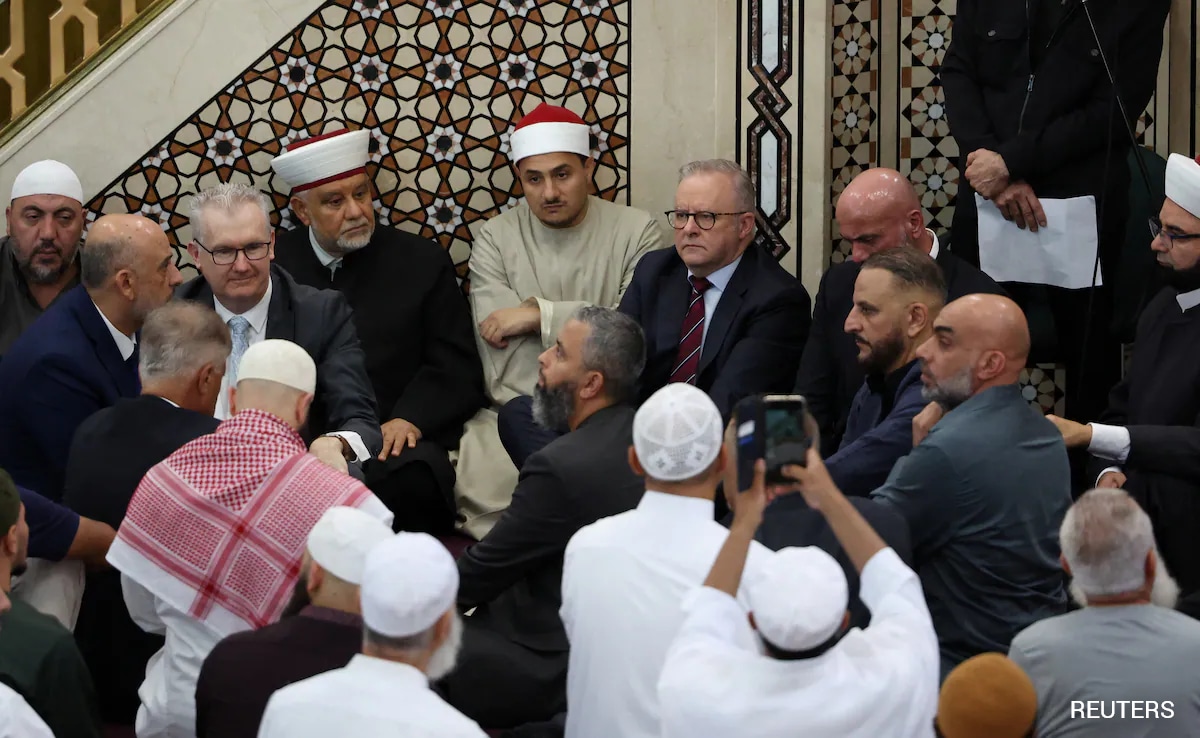
You’ve probably seen the headlines about Anthony Albanese being heckled at a mosque. Most reports make it sound like a spontaneous explosion of rage, but the reality is much more layered. On Friday, March 20, 2026, Prime Minister Anthony Albanese and Home Affairs Minister Tony Burke stepped into the Lakemba Mosque in Western Sydney for Eid al-Fitr prayers. They weren't there as gatecrashers; they were invited guests of the Lebanese Muslim Association (LMA).
Within 15 minutes, the "joyful day" turned into a PR nightmare. A small but incredibly vocal group of worshippers began shouting, calling the leaders "genocide supporters" and "putrid dogs." One man, later identified as Sheikh Mukhlis, was physically removed by security after yelling for the PM to "get out."
The shock wasn't just that it happened, but where it happened. Tony Burke’s own electorate includes Lakemba. This wasn't a protest in a distant city—this was in his backyard.
Why the anger is boiling over now
If you think this is just about a single speech or a photo op, you’re missing the forest for the trees. The tension has been building for years, specifically since October 7, 2023. While the Albanese government has tried to play a "balanced" game—calling for ceasefires while affirming Israel's right to defend itself—that middle ground has effectively disappeared.
The community is furious for three specific reasons:
- The Gaza Toll: With reported deaths in Gaza surpassing 50,000 by mid-2025, many Muslim Australians feel the government’s rhetoric has been too soft and too late.
- The Hizb ut-Tahrir Ban: Just weeks before this incident, the government designated the Islamist group Hizb ut-Tahrir as a prohibited hate group. Albanese himself suggested the mosque heckling was a direct reaction to this crackdown.
- The Herzog Visit: In February 2026, Albanese invited Israeli President Isaac Herzog to Australia. That move was seen as a betrayal by pro-Palestinian groups, leading to massive protests and dozens of arrests in Sydney.
The internal divide most people miss
Here’s the thing: the Muslim community isn't a monolith. The LMA invited Albanese because they believe "walking away from engagement" doesn't help anyone. They wanted a seat at the table. On the other side, you have younger, more radicalized voices who see any invitation to a Labor politician as a betrayal of the people dying in Gaza and Lebanon.
When Sheikh Mukhlis was thrown off the mosque stairs barefoot, he recorded a video asking a question that resonated with many: "Why are they there in our sacred places, in our sacred times, put up in front, smiling for photos?"
It’s a valid question. Is it genuine engagement or is it just "faith-washing" for the cameras? Albanese later claimed the reception was "overwhelmingly positive" and that the hecklers were a tiny minority in a crowd of 30,000. While the math might check out, the optics don't. A few loud voices in a sacred space carry more weight than 29,990 quiet ones.
The Bondi shadow and national security
You can't talk about this incident without mentioning the December 14, 2025, Bondi massacre. A deadly terror attack at a Jewish Hanukkah celebration killed 15 people. That event changed everything in Australian politics. It led to the "Firearms and Customs Laws Bill 2026" and a much more aggressive stance against anything the government labels as "extremism."
The PM is caught in a vice. If he doesn't crack down on radical groups, he’s accused of abandoning the Jewish community. If he does, he’s accused of Islamophobia and "genocide support" by the Muslim community. He's trying to hold a "Social Cohesion" shield that is currently full of holes.
What this means for the next election
Labor is in trouble in Western Sydney. It's that simple. Electorates like Watson and Blaxland have massive Muslim populations that traditionally vote Labor. But the "Get Out" chants in Lakemba suggest that the "safe seat" era might be over.
If you're following Australian politics, keep an eye on these developments:
- Independent Challengers: Look for "Muslim Voices" style independent candidates to pop up in Western Sydney, similar to the "Teal" independents.
- Security Policy Shifts: Expect the government to double down on national security rhetoric to appeal to the broader electorate, even if it further alienates religious minorities.
- Diplomatic Strains: The public spat between Albanese and Netanyahu is already at a boiling point. Don't expect a "repair" anytime soon.
Honestly, the "middle path" Albanese is trying to walk has become a tightrope over a volcano. If he can't find a way to make the community feel heard—not just photographed—the heckling at Lakemba will be the least of his worries.
To stay ahead of how this affects local policy, you should look into the specific voting patterns of Western Sydney electorates from the last federal cycle. It's the best predictor of whether these mosque protests are a flash in the pan or a fundamental shift in the Australian political landscape. Don't just take the PM's word that everything is "positive"—the ground is moving.