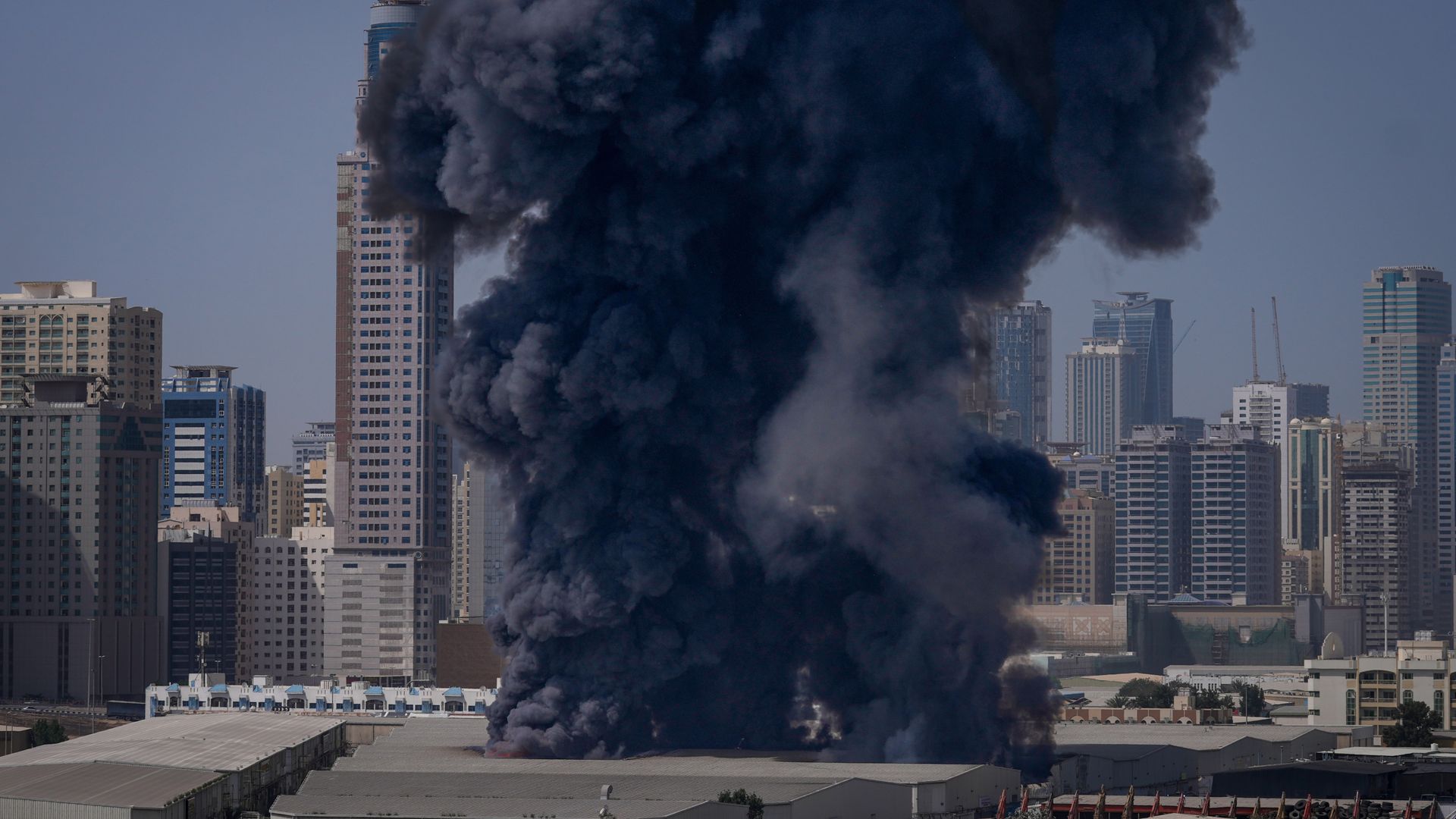
The detention of up to 70 British nationals in the United Arab Emirates (UAE) for sharing imagery of Iranian missile and drone strikes is not an isolated diplomatic friction. It is a predictable outcome when a hyper-regulated digital ecosystem collides with regional kinetic warfare. While advocacy groups characterize these arrests as arbitrary or draconian, a structural analysis reveals a calculated, state-level enforcement of information protectionism.
To understand the mechanics of this crackdown, one must look past the emotional narratives of arrested tourists and examine the rigid legal frameworks and strategic imperatives driving the Emirati response. You might also find this related article insightful: The $2 Billion Pause and the High Stakes of Silence.
The Three Pillars of Information Control
The UAE’s reaction to the digital documentation of conflict operates on three distinct strategic pillars. These are not arbitrary reactions but structured operational mandates designed to protect the state's core value proposition.
- The Doctrine of Perceived Stability: The UAE has invested decades of capital into branding itself as a frictionless, secure hub for global finance and luxury tourism. Unfiltered imagery of ballistic interceptions and structural damage directly degrades this brand equity. Controlling the visual narrative is prioritized as highly as physical air defense.
- The Operational Security Mandate: Geolocated videos and images of missile impacts provide real-time battle damage assessment (BDA) to hostile actors. By aggressively suppressing public broadcasts of strikes and interceptions, the state denies adversaries the data needed to calibrate future targeting.
- The Cyber-Jurisdictional Net: The legal mechanism used is the UAE’s expansive cybercrime framework, specifically laws prohibiting the dissemination of material that could "disturb public security" or "incite public opinion." The operational reality of this law is that it makes no distinction between a professional journalist broadcasting a report and an individual sending a private message to colleagues or family regarding their safety.
The Cost Function of Digital Friction
The immediate bottleneck for foreign nationals lies in the fundamental disconnect between Western norms of social media utility and the UAE's strict liability approach to digital content. In most Western jurisdictions, the intent to cause panic or spread disinformation must be proven. In the UAE's enforcement model, the cost function is determined purely by the act of possessing or transmitting prohibited content, regardless of intent. As highlighted in recent coverage by Reuters, the results are worth noting.
Consider the typical escalation path that has trapped dozens of travelers:
- The Capture: An individual records a video of an active air defense interception or damage to infrastructure, often out of instinct or to document personal safety.
- The Transmission: The file is sent via a private messaging application or posted to a limited social circle.
- The Legal Trigger: Under UAE law, "sharing" encompasses both public social media posts and closed-group peer-to-peer messaging. The moment the data leaves the device or is stored on a device within UAE territory, the legal violation is complete.
- The Escalation: Initial charges carry penalties of up to two years in prison and fines ranging from AED 20,000 to AED 200,000 ($5,400 to $54,500). However, if the file is deemed to impact national defense measures or is referred to state security prosecutors, the exposure shifts to indefinite detention or severe felony-level sentencing.
The data provided by legal advocacy groups suggests that the risk is compounded by cumulative charging. An individual who shares multiple clips or interacts with several threads can theoretically face stacked charges, exponentially increasing their legal liability for what they assumed was routine digital behavior.
The Asymmetry of Diplomatic Leverage
This crisis exposes a massive asymmetry in diplomatic leverage between the UK and the UAE. While campaign groups demand that the British government "step up," the operational reality for the Foreign, Commonwealth and Development Office (FCDO) is highly constrained.
The British Embassy has repeatedly issued directives stating that British nationals are subject to UAE laws and that violations will lead to prosecution. This is not diplomatic cowardice; it is a recognition of sovereign legal reality.
The primary limitation of consular assistance is that it cannot override local law. If a British citizen violates the UAE Cybercrime Law on Emirati soil, the UK government has zero legal standing to demand their release outside of pleading for clemency. Furthermore, reports indicate that some detainees are actively advised by local counsel not to engage their embassies, fearing that internationalizing the case will provoke state security hardliners and prolong detention.
Strategic Forecast: The End of the Influencer Safe Haven
The immediate strategic takeaway is that the UAE has demonstrated a willingness to sacrifice a portion of its tourist goodwill to maintain absolute narrative control during a military crisis. This signals a permanent shift in the risk profile for expatriates and corporate travelers operating in the Gulf.
The friction between a population conditioned to document their lives in real time and a state determined to blackout wartime telemetry will not decrease. For corporations operating in the region, the final strategic play is clear: enforce immediate, zero-trust digital media policies for all deployed personnel. Employees must be instructed that during any kinetic event, capturing, storing, or transmitting any visual data—even in private welfare checks—carries a high probability of state-level detention. Relying on the assumption that "everyone else is posting it" is no longer a viable defense strategy.