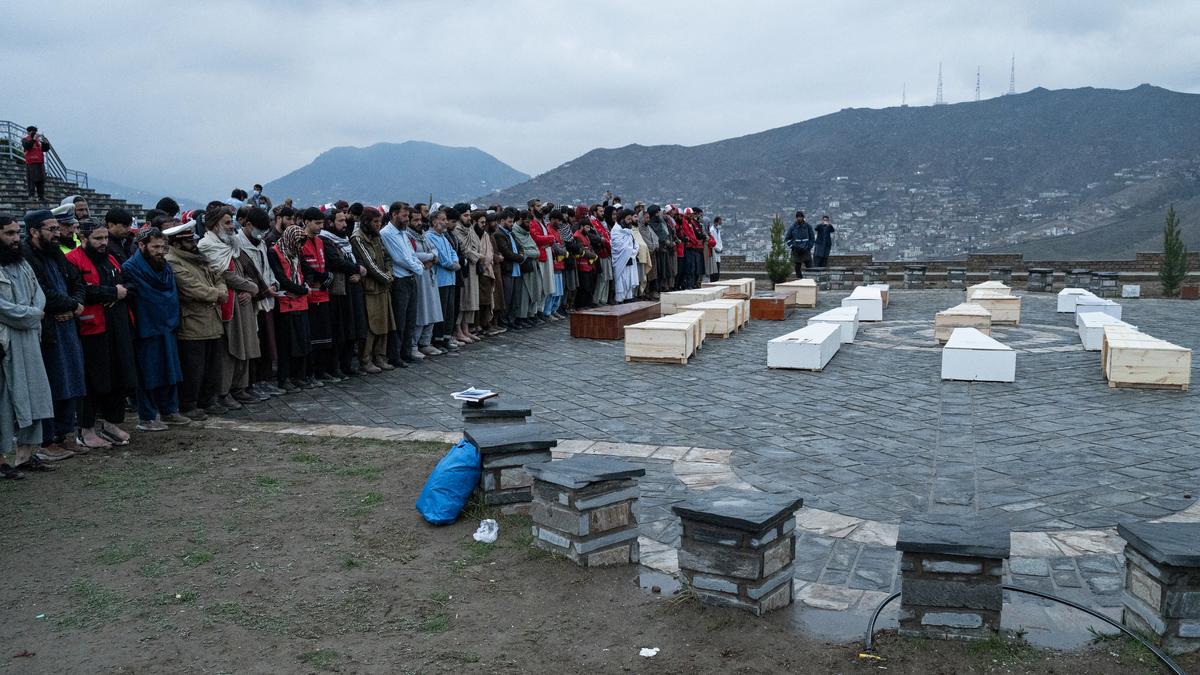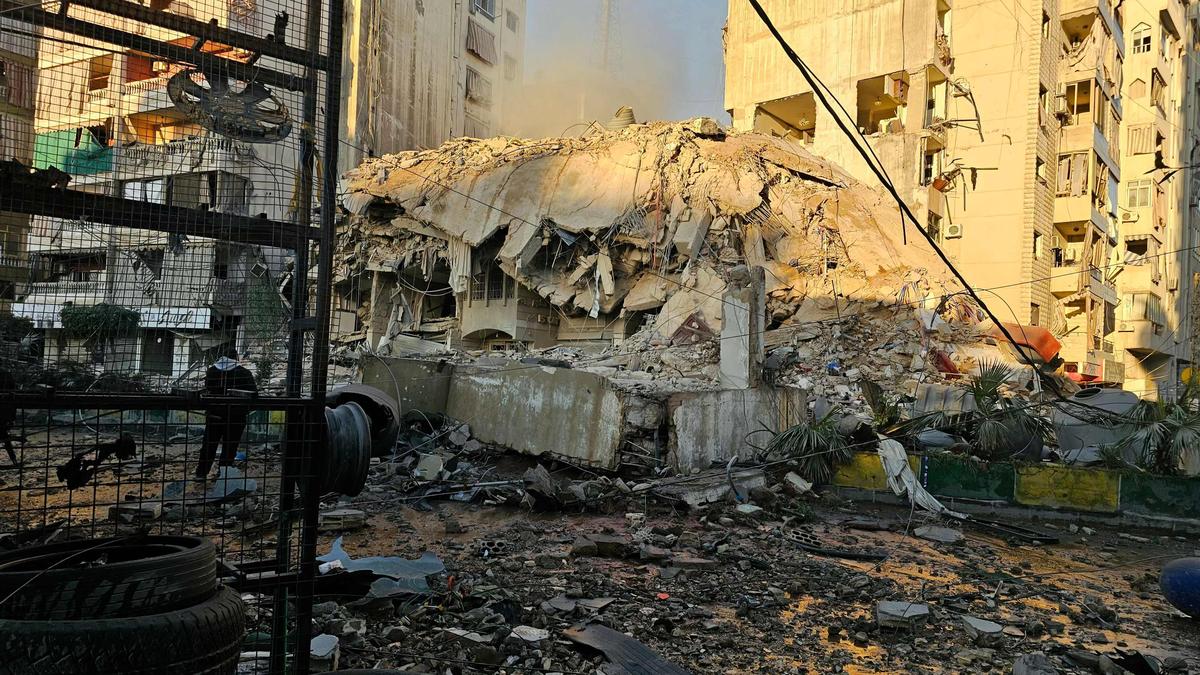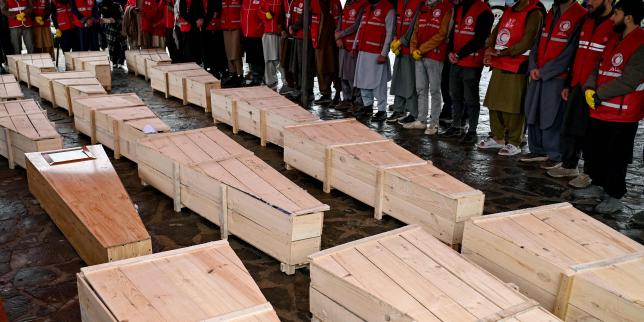
Geopolitics isn't a Marvel movie. There is no moral arc, only the brutal physics of power. When news broke that Afghanistan vowed to "avenge" victims of a Pakistani strike on a hospital, the media immediately fell into its favorite trap: the David vs. Goliath narrative. They painted a picture of a scrappy insurgency-turned-state seeking justice against a heavy-handed neighbor.
It is a comfortable lie. It suggests that "revenge" is a viable foreign policy. It isn't.
What we are witnessing isn't a righteous quest for vengeance. It is the violent collapse of the Durand Line’s last remnants and the final failure of Pakistan’s "strategic depth" doctrine. If you think this is about a single hospital strike, you’re reading the wrong map. This is about two states trapped in a suicide pact, fueled by a border that neither accepts and both are willing to burn down.
The Myth of the Strategic Victim
The competitor narrative suggests Kabul is the aggrieved party, reacting to an unprovoked violation of sovereignty. This ignores the reality of how the Taliban operates. Since 2021, the Afghan Taliban has essentially functioned as a state-sponsored safe haven for the Tehrik-i-Taliban Pakistan (TTP).
You cannot house, fund, and protect a group that carries out daily hits across the border and then cry "sovereignty" when that neighbor hits back. Sovereignty is a two-way street. If you cannot or will not control your territory, your neighbor will eventually do it for you—with 500-pound bombs.
I’ve watched this cycle play out in various forms for decades. From the porous borders of the Levant to the tribal belts of Central Asia, the script never changes. A state uses a proxy to bleed a rival. The rival loses patience and strikes the source. The state then uses the civilian casualties of that strike to galvanize nationalism and distract from its own failure to provide security.
The "revenge" promised by Kabul isn't for the victims. It’s a marketing campaign to maintain internal legitimacy among a fractured rank-and-file.
Pakistan’s Failed Investment
We need to address the elephant in the room: Pakistan’s military establishment spent twenty years betting on a Taliban victory. They thought a Taliban-led Afghanistan would be a compliant satellite state. They were wrong.
The "strategic depth" doctrine—the idea that Pakistan needs a friendly government in Kabul to avoid being sandwiched between an unfriendly India and an unfriendly Afghanistan—has backfired spectacularly. Instead of depth, they bought a front line.
The TTP and the Afghan Taliban share the same ideological DNA. Expecting the latter to turn on the former was a delusion born of arrogance. Now, Islamabad is attempting to bomb its way out of a mess it spent two decades cooking.
- Logic Check: If air strikes worked to eliminate cross-border insurgencies, the US would have won in 2005.
- The Reality: Air strikes on hospital-adjacent targets or civilian infrastructure only serve as recruitment posters for the next generation of fighters.
The Economic Suicide of Conflict
Everyone talks about the "revenge" of the rifle. Nobody talks about the "revenge" of the empty stomach. Afghanistan is currently a ward of the international community, surviving on dribbles of aid and black-market trade. Pakistan is perpetually three weeks away from an IMF-mandated heart attack.
Neither side can afford a skirmish, let alone a war.
When Kabul vows vengeance, they are threatening to shut down trade routes that they desperately need for survival. When Islamabad strikes Afghan soil, they are ensuring that the flow of refugees—and the associated security risks—remains a permanent fixture of their northern provinces.
This isn't a chess match. It’s two drowning men trying to push each other’s heads under the water.
Why "Justice" is a Flawed Lens
People also ask: "Doesn't Afghanistan have a right to defend itself?"
Sure. On paper. But in the real world, "rights" are secondary to "capabilities." Afghanistan lacks the air defense systems to stop Pakistani jets. It lacks the conventional military muscle to mount a retaliatory invasion. What it has is asymmetric warfare—the ability to send small cells across the border to cause chaos.
But calling this "revenge for the victims" is a cynical rebranding of basic insurgency tactics. It frames a tactical choice as a moral imperative.
Let's be clear about the hospital strike. If a military utilizes civilian infrastructure to shield combatants—a tactic common in this region—they have already compromised the "sanctity" of that facility. If the attacking force ignores the presence of civilians to hit a high-value target, they have committed a war crime. In this conflict, both things are usually true at the same time. There are no clean hands here.
The Counter-Intuitive Truth
The most dangerous thing for the region isn't a Taliban that wants revenge. It's a Taliban that realizes it doesn't need it.
The real threat to Pakistan isn't a conventional strike from Kabul. It’s the slow-motion "TTP-ization" of its own border regions. The Afghan Taliban doesn't need to fire a single rocket. They just need to keep the door open.
Every time Islamabad strikes Afghan territory, they provide the Afghan Taliban with the perfect excuse to do nothing about the militants heading south. The "revenge" isn't a coming storm; it’s the status quo.
Stop Asking if Revenge is Coming
The media asks when the retaliation will happen. They are looking for a spectacular explosion. They’re missing the point. The retaliation is happening every day in the form of radicalization, border closures, and the total breakdown of regional diplomacy.
If you are waiting for a formal declaration of war or a decisive military victory, you will be waiting forever. This is a war of attrition where the prize is a wasteland.
Pakistan cannot bomb its way to security. Afghanistan cannot bluster its way to sovereignty. The victims of the hospital strike are being used as political currency by two regimes that have failed their people.
Vengeance is a luxury neither side can afford, yet it’s the only product they have left to sell.
Stop looking for the "hero" in this story. There isn't one. There is only the geography, the guns, and the inevitable math of a failed border.