You’ve probably seen the clips. A wide-eyed Lesley Stahl, a giggling yet defiant billionaire, and that infamous line about not respecting the SEC. Honestly, the 60 Minutes interview with Elon Musk—the 2018 one in particular—is basically a time capsule of the exact moment the tech world changed forever. It wasn't just another TV appearance; it was the public birth of the "Warzone Elon" we see on X today.
The Interview That Broke the CEO Template
Back in late 2018, Tesla was in what Musk called "production hell." They were bleeding cash—about $50 million to $100 million a week. Scary stuff. Most CEOs would have retreated to a boardroom with a team of PR crisis managers. Musk? He invited 60 Minutes into the factory.
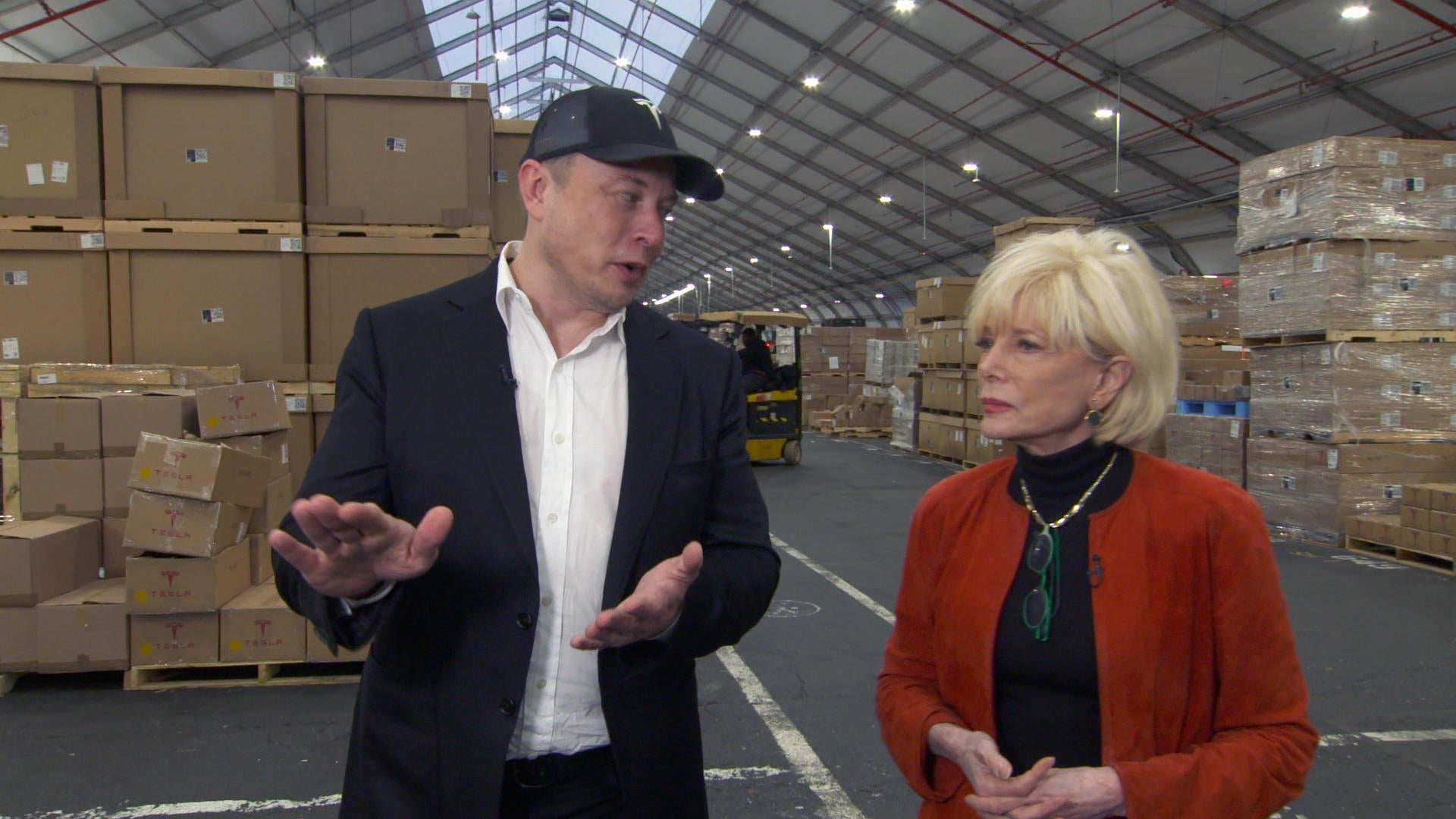
He showed off a literal tent. To hit production goals for the Model 3, Tesla built a third assembly line in a massive tent in the parking lot of their Fremont factory. It was scrappy. It was weird. And according to Musk, it was the only reason they didn't go bankrupt.
During the 60 Minutes interview with Elon Musk, he admitted to working 120 hours a week. He wasn't just overseeing things; he was sleeping on the factory floor. He told Stahl that he wanted his team to see that "however hard it was for them, I would make it worse for me." That kind of leadership is polarizing, but it’s undeniably how Tesla survived that year.
"I Do Not Respect the SEC"
If there is one quote that defines the modern era of Musk, it’s his blunt assessment of the Securities and Exchange Commission.
- The Context: Musk had recently settled fraud charges over his "funding secured" tweet about taking Tesla private at $420.
- The Quote: When Stahl asked about the settlement, he didn't mince words. "I want to be clear. I do not respect the SEC. I do not respect them."
- The Fallout: He clarified he only followed the settlement because he respects the "justice system."
It was a total mask-off moment. Usually, billionaires at that level play the game. They say they've learned their lesson. Musk basically told the world he was doing it under duress. This defiance has become his signature move, especially now that he’s deeply involved in government efficiency and political circles in 2026.
Beyond the Twitter Warzone
The interview also touched on his personal life in a way we rarely see anymore. Musk talked about his "terrible" childhood in South Africa. He mentioned it was violent. He left at 17 with just a backpack of clothes and a suitcase of books.
It’s easy to forget that before he was the world's richest man, he was just a kid who sold a video game code for $500 at age 12. Stahl pushed him on his impulsive nature, and he just sort of shrugged. He admitted he doesn't want to adhere to a "CEO template."
The Evolution of the 60 Minutes Relationship
It’s kind of wild to look at where things stand now. In the 2008 60 Minutes interview with Elon Musk, Tesla was a tiny startup that nobody thought would make it. By 2018, it was a global phenomenon.
Fast forward to 2025 and early 2026, and the relationship has turned toxic. Musk has recently gone on X to say 60 Minutes deserves "a long prison sentence" over their editing of other political figures. The bridge hasn't just been burned; it’s been vaporized.
What Most People Get Wrong About the 2018 Interview
A lot of people think Musk was just being arrogant. If you watch the full segment, he’s actually quite vulnerable about the "excruciating" pressure of that year. He called 2018 the most painful year of his career.
He also admitted that "excessive automation" at Tesla was a mistake. He famously tweeted that "humans are underrated." In the tent assembly line, you didn't see high-tech robots; you saw people. It was a rare admission of being wrong from a man who usually doubles down on every bet.
Actionable Takeaways from the Musk Philosophy
Whether you love the guy or think he’s a chaos agent, there are real lessons in how he handled that 60 Minutes era:
- Iterate or Die: When the factory floor failed, they built a tent. Don't be too proud to use a "low-tech" solution if the high-tech one is broken.
- Radical Transparency (Sometimes): Musk’s bluntness creates a direct line to his supporters. It builds a brand that feels "human" even if it's controversial.
- The "Arena" Mentality: Musk views social media and business as a "warzone." If you're going to play at that level, you have to be prepared for "relentless and outrageous" criticism.
The 60 Minutes interview with Elon Musk remains the best blueprint for understanding why he operates the way he does today. It showed a man who thrives on being the underdog, even when he’s the one on top. If you want to understand the future of X, SpaceX, or Tesla, you have to start by looking back at that parking lot tent in Fremont.
To get the full picture, you should compare the 2014 Scott Pelley interview with the 2018 Lesley Stahl segment. The shift in tone—from hopeful engineer to embattled warrior—tells you everything you need to know about the trajectory of the world's most famous billionaire.