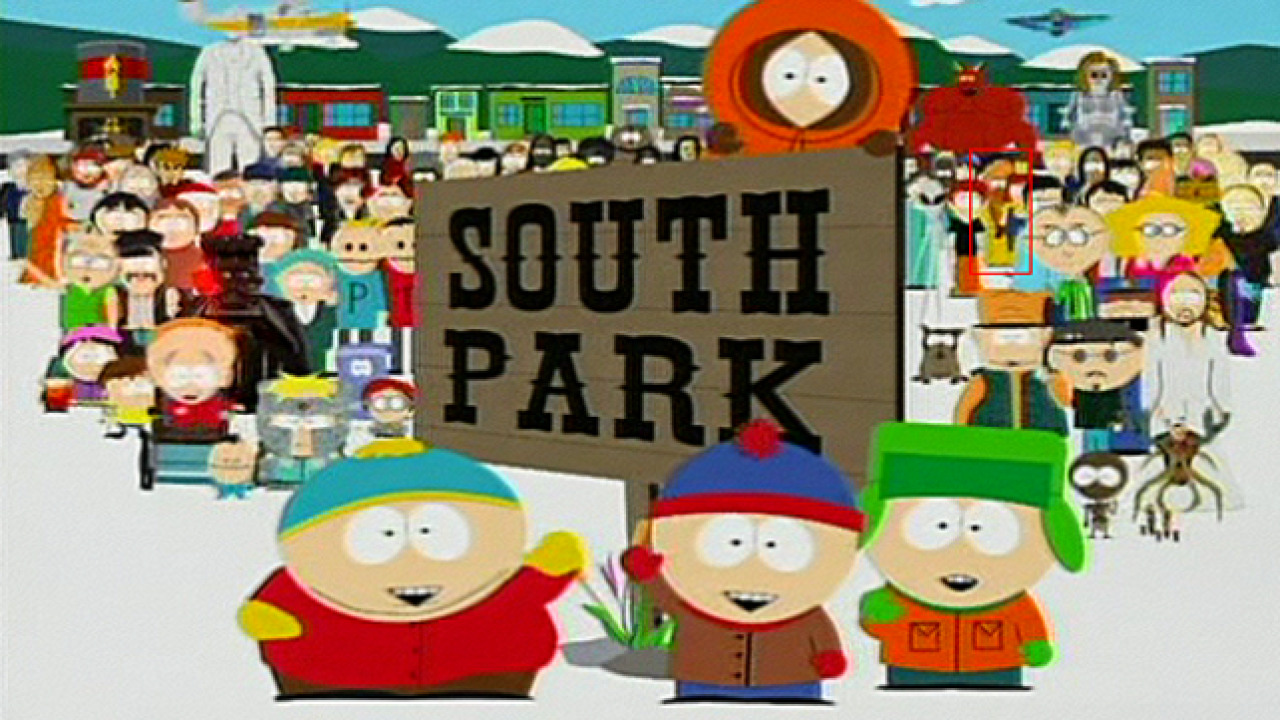
Most people think making a cartoon takes months of careful planning and thousands of sketches. For the guys behind South Park, it takes less time than a standard work week. If you’ve ever watched the making of south park documentary, titled 6 Days to Air, you know exactly how chaotic that process is. It’s not just a "behind-the-scenes" featurette. Honestly, it’s a document of a collective mental breakdown that happens twice a year.
Trey Parker and Matt Stone are multi-millionaires. They have Tonys and Grammys. They’ve been at this since 1997. Yet, every Thursday morning, they wake up with absolutely nothing. No script. No jokes. Not even a basic premise.
By the following Wednesday, a finished 22-minute episode is delivered to Comedy Central via satellite uplink. Sometimes this happens just three hours before it airs. It's insane.
The Thursday Panic: Where the Episode Begins
The documentary, directed by Arthur Bradford in 2011, follows the production of the Season 15 premiere, "HumancentiPad." The film opens with Trey and Matt literally just getting off the plane from New York after the opening of their Broadway smash The Book of Mormon. They are exhausted. They are over it. But the clock is already ticking.
In the writers' room, it’s basically just Trey, Matt, and a few consultants like Bill Hader. They sit around eating snacks and complaining. This is the most critical part of the making of south park documentary. You see the exact moment a random annoyance turns into a global television event. Trey starts ranting about how he hates downloading the latest version of iTunes because he has to agree to a massive list of terms and conditions he hasn't read.
"What if I'm agreeing to be part of a human centipede?" he asks.
That’s it. That's the seed.
From there, the room starts "breaking the story." They use a whiteboard to map out beats. If you look closely at the background shots in the film, you can see rejected ideas like "Pro Boner" or "Vünter Slaush" scribbled in the margins. Some ideas make it; most die a quiet death on that whiteboard.
Why the Six-Day Deadline Actually Works
You’d think having more time would make the show better. Trey Parker disagrees. He mentions in the film that if he had four weeks to write an episode, he’d just spend four weeks second-guessing himself. The deadline is a "therefore" and "but" machine.
Trey’s writing rule is famous among creators now:
- Never say "This happens, and then this happens."
- Always say "This happens, therefore this happens, but then this happens."
This creates causality. It makes the plot move. Because they are in such a rush, they have to rely on their gut instincts. There’s no time for corporate notes or focus groups. It’s pure, unfiltered ego and id being beamed directly into your living room.
The Animation Grind: 100-Hour Weeks
Once the script starts flowing—usually in fragments—it goes to the animation department. South Park isn't hand-drawn anymore. They use Autodesk Maya to mimic the look of the original construction paper cutouts.
The documentary shows the animators literally living at the studio. We're talking 100 to 120-hour work weeks during the production cycle. They have a "lip-sync" team that manually adjusts the mouths of the characters to match the audio files Trey and Matt record in a tiny booth down the hall.
Everything is done in-house at South Park Studios in Culver City. Most other shows, like The Simpsons or Family Guy, send their animation to overseas studios in South Korea. That takes months. South Park keeps it local specifically so they can change a joke on Tuesday night that happened in the news on Tuesday morning.
Surprising Details from the Studio
- The Jesus Portrait: There is a realistic-style portrait of Jesus in the studio, but the face has been replaced with the South Park version of Jesus.
- Lego Therapy: Trey Parker uses massive Lego sets, like a Star Destroyer, to clear his head when he gets writer's block.
- The "Kill Kenny" Slogan: A sign outside the writers' room reads "Kill Kenny, Win Emmy."
The Tuesday All-Nighter
By Tuesday, the vibe shifts from "creative jamming" to "absolute terror." In the making of south park documentary, you see Trey and Matt looking increasingly disheveled. They stop combing their hair. They start living on caffeine and adrenaline.
Trey is often still writing the final act at 7:00 AM on Wednesday morning—the day the episode is supposed to air.
There’s a legendary scene where supervising producer Frank C. Agnone II has to take the master tape to a nearby uplink facility. The pressure is visible on his face. If the internet goes down or a file corrupts, there is no backup. They have missed their deadline only once in decades, and that was due to a massive power outage at the studio.
What This Documentary Teaches Us About Creativity
Most "making of" films are polished PR pieces. 6 Days to Air is different because it shows the ugly side of creation. It shows that even the most successful people in the world feel like hacks 48 hours before their deadline.
Matt Stone admits in the film that while they are a partnership, Trey is the "chef." Matt handles the business, the "big picture" stuff, and the heavy lifting on the production side, but the creative vision is singular. This clarity of roles is probably why they haven't killed each other after thirty years of working together.
Actionable Insights for Creators
- Embrace the Deadline: Use time constraints to silence your inner critic. Perfectionism is often just procrastination in a fancy suit.
- Focus on Causality: Use the "therefore/but" rule in your own writing to ensure your story actually moves forward.
- Trust Your Gut: The "HumancentiPad" episode was gross, weird, and risky. It also became one of the most talked-about episodes of the season because it was a raw reaction to a real frustration.
If you haven't seen the making of south park documentary, it's worth a watch just to see how much work goes into making something look intentionally "cheap." It's a masterclass in high-speed production and a reminder that sometimes, the best work happens when you have no other choice but to finish.
To dig deeper into their process, look for the "Creators' Commentary" tracks on the South Park Blu-rays. They usually spend about five minutes per episode explaining exactly which real-life event or late-night delirium sparked the plot. You can also follow the official South Park YouTube channel, which frequently posts "Social Commentary" snippets that highlight the specific real-world references found in the episodes produced under this grueling six-day crunch.